Female Hair Restoration

at Maxim Hair Restoration

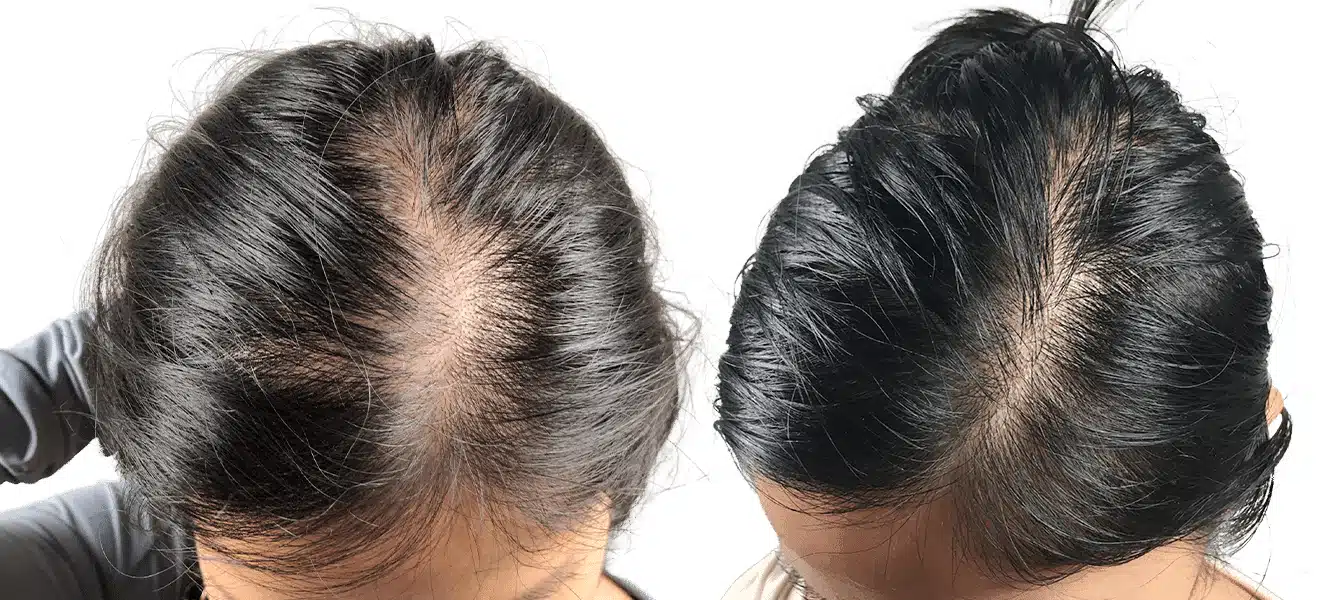
Before After

What Is a Female Hair Restoration?

Female hair restoration is a comprehensive and personalized approach to diagnosing and treating hair loss in women. Unlike male pattern baldness, which follows a predictable pattern, women often experience diffuse thinning, widening parts, loss of density around the temples, or patchy shedding triggered by hormones, stress, genetics, medical conditions, or traction from styling habits. Because each case is unique, female hair restoration focuses on understanding the root cause of your thinning and building a treatment plan that fits your needs, your lifestyle, and your long-term goals.

Read More

Rectangle 240648066

Types of Female Hair Restoration

Every woman’s pattern of hair loss is different. We offer a wide range of female hair restoration treatments so your plan can focus on the areas that matter most to you.

Eyebrow Hair Transplant

 Uses delicate FUE or FUT techniques to move fine hairs from a donor area (often behind the ear or the back of the scalp) into the eyebrows. Ideal for women with overplucked brows, genetic thinning, or scarring in the brow area.

Traction Alopecia Hairline Restoration

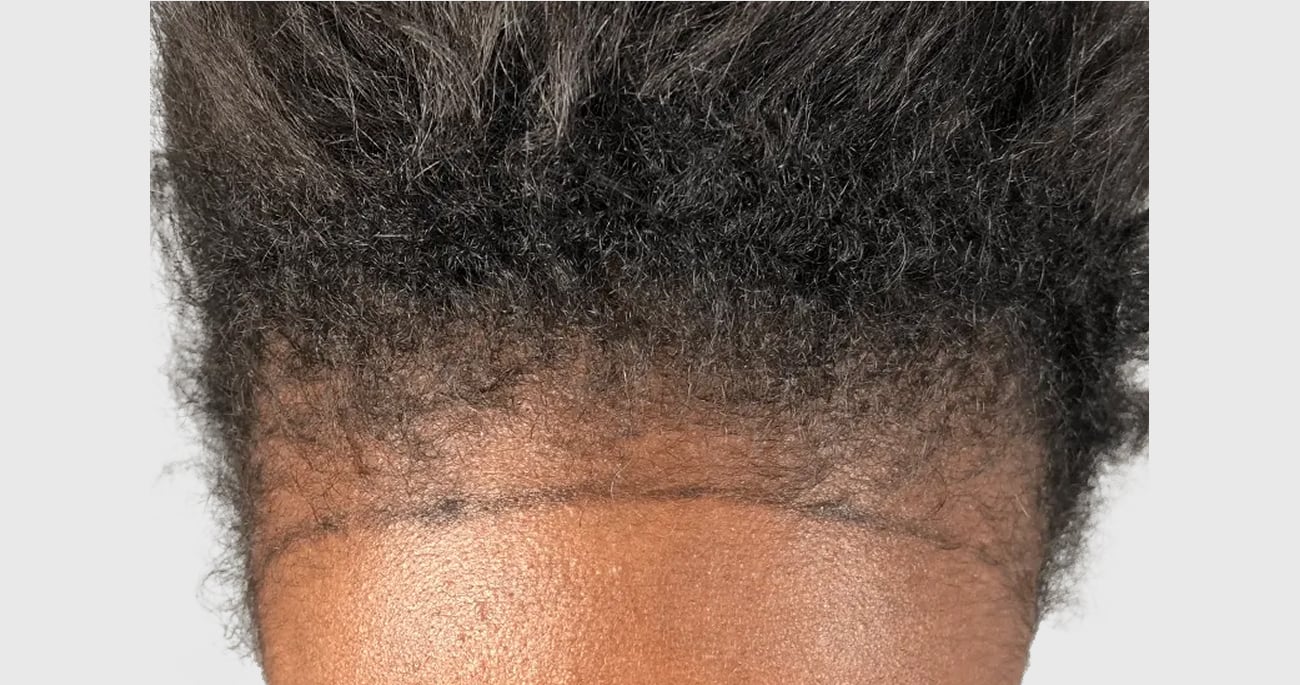
 Targets hair loss caused by long-term tension from braids, ponytails, weaves, extensions, or tight buns. We can restore density along the front hairline and temples, often using no-shave or minimal-trim approaches to keep the procedure discreet.

Scar Revision for Scalp

 Addresses areas where hair no longer grows because of burns, injuries, infections, or previous surgeries. Depending on the scar and skin quality, we may use transplants, scalp micropigmentation, or a combination of techniques to blend the area into your natural hair.

Hairline Lowering / Forehead Shortening With Grafts

 For women who feel their forehead looks too high or out of proportion, we can use hair transplantation to create a softer, lower hairline. By filling in strategic zones rather than cutting and moving the scalp, we avoid extensive scars and lengthy recovery.

Female FUE Hair Transplant

 A minimally invasive method that harvests individual follicular units, usually from the back of the scalp, and implants them into thinning areas. This is especially useful for women with female-pattern hair loss, widening parts, and thinning crowns who want to keep flexibility in how they style their hair.

FUT (Strip) Hair Transplant for High Graft Needs

session, FUT can be an option. The linear scar is hidden under long hair, while we use the strip to prepare a high number of grafts for full coverage.

Hybrid Surgical + Non-Surgical Plans

 Many women benefit from a blend of treatments. For example, a targeted FUE to fill the front hairline plus regenerative therapies to strengthen surrounding hair. Your clinician designs a layered plan to support both transplanted and native hair.

Why Choose maxim for Female Hair Restoration

At maxim hair restoration, we take female hair loss seriously and build care around your specific needs as a woman.

 Our physicians and clinicians bring experience from diverse backgrounds and training programs, including advanced work in women’s hair loss. They understand hormonal changes, postpartum shedding, menopause-related thinning, and genetic female pattern loss, and apply that knowledge to every plan.

 We use precision tools, including sapphire blades and micro punches, to create tiny incisions and high-density placement. This approach supports fast healing and allows us to work between existing hairs without damaging them.

Our Gallery

Proven outcomes backed by experience and expertise
Advantages of Female Hair Restoration

Frame 2147259165

No Linear Scar

 For many women, we focus on FUE and other minimally invasive methods that avoid a long strip scar. Read More

Frame 2147259345

Fast Recovery

 Most women return to normal routines quickly. While we recommend avoiding intense exercise and Read More

Frame 2147259345

Natural Results

 Every graft is placed to follow your natural growth direction and density pattern. We pay close attention Read More

Frame 2147259345

Versatility

 Female hair restoration is not limited to one area. We can address eyebrows, hairlines, temples, parts, crowns, Read More

Frame 2147259345

Permanent Solution

 Transplanted hairs generally maintain the characteristics of the donor site and are more resistant to the Read More

Female Hair Restoration Technologies

Frame 2147259165

Sapphire Blades & Micro Tools

 We use ultra-fine blades and micro instruments to create small, precise recipient sites. This allows for Read More

Frame 2147259345

Digital Hairline Design Software

 Our doctors can digitally map and preview your new hairline, part, or eyebrow shape before surgery. Read More

Frame 214725c9345

Chilled Graft Preservation

 During your procedure, harvested follicles are carefully stored in chilled, protective solutions until they are placed. Read More

Framce 2147259345

Hybrid Manual Techniques

 We combine manual skill with modern devices to match the needs of each zone on your scalp. Read More

Our Specialized Female Hair Restoration Doctors & Clinicians

Our female hair restoration doctors and clinicians are dedicated to understanding the specific challenges women face when dealing with hair loss. They recognize that women often come in with emotional stress tied to thinning, and they approach every case with care, discretion, Read More

During your consultation, they take time to review your medical history, examine your donor area, map your thinning patterns, and discuss your aesthetic goals in detail. They consider how you wear your hair every day—whether you prefer middle parts, side parts, ponytails, curls, or protective styles—so your results look natural and blend seamlessly with your preferred look.

These specialists also understand the importance of long-term stability. They design treatment plans that may combine surgical and non-surgical methods to strengthen existing follicles while adding new density where needed. This can include eyebrow restoration, crown density enhancement, frontal hairline softening, and scar camouflage. Throughout your journey, your clinician monitors your progress, adjusts your plan when needed, and ensures you feel supported from your first visit to your final results. Their goal is simple: to restore your hair in a way that feels authentic, feminine, and confidence-building, without interrupting your lifestyle or limiting your styling options.

Preparing for Your Female Hair Restoration Journey

Good preparation makes the process smoother and increases the likelihood of excellent results.

Frame 2147259355

Consultation First

You will meet with our team to review your goals, examine your facial hair, Read More

Frame 2147259355

Pre-Procedure Instructions

We may ask you to avoid alcohol, smoking, blood thinners, and certain Read More

Frame 2147c259355

Hair & Skin Prep

We will advise you on how to trim or shave the donor area and, if needed, Read More

Frame 21c47259355

Health & Labs

For some patients—especially those with medical conditions or over a certain age Read More

Frame 21472593xc55

Plan for Recovery

Arrange transportation home on the day of the procedure and plan to rest for Read More

Procedure Details & Duration

A little preparation goes a long way in ensuring success

Frame 2147259364

On the day of your facial hair transplant, you arrive at the clinic and review your plan with the doctor. Local anesthesia is administered to numb both the donor and recipient areas, so you remain comfortable and awake. Hair follicles are then harvested—usually with FUE, sometimes with FUT or body hair harvesting, depending on your plan.

Frame 2147259364

Once the grafts are prepared, the doctor creates tiny recipient sites in the beard, mustache, sideburn, jawline, or eyebrow areas. These sites are angled and directed to follow the natural growth pattern for that region of the face. The follicles are then carefully placed one by one. A full beard transplant can take most of the day, often up to 8–10 hours. Eyebrow or smaller-area procedures may be completed in 4–6 hours. During the procedure, you can watch movies, listen to music, chat with the team, or rest while the work is being done.

Recovery & What to Expect Next

A little preparation goes a long way in ensuring success

Frame 2147259365

Immediate Recovery

The treated areas may feel slightly tight, swollen, or sore. Tiny crusts form around Read More

Shedding Phase

It is normal for the transplanted hairs to shed in the weeks after the procedure. Read More

New Growth

Fresh facial hairs typically begin to appear around three to four months post- Read More

New Growth


Early growth typically starts around three to four months. At first, the hair may be Read More

Visible Results


From about six to nine months, most women notice a clear difference in volume, Read More

What Can Go Wrong With a Hair Transplant?

When performed by experienced medical professionals, hair transplantation is a safe and well-established procedure. Still, there are potential issues to be aware of, especially in female hair restoration.

Over-Thinning the Donor Area

 Removing too many grafts from a limited donor zone can create see-through patches when you wear your hair up. Careful planning is essential to maintain density in the back and sides.

How We Prevent It

We measure donor density, map the extraction pattern, and plan graft counts responsibly to protect long-term donor health.

Unnatural or Masculine Hairline Design

 If the hairline is designed without considering feminine shapes and angles, it can look harsh or out of place. We focus on soft, natural transitions that flatter your face and styling habits.

How We Prevent It

We measure donor density, map the extraction pattern, and plan graft counts responsibly to protect long-term donor health.

Low Graft Survival

 Poor handling, dehydration, or prolonged time out of the body can affect graft survival. We protect grafts with chilled solutions and careful handling to support healthy regrowth.

How We Prevent It

We measure donor density, map the extraction pattern, and plan graft counts responsibly to protect long-term donor health.

Uneven Density Along the Part

 If grafts are not distributed thoughtfully along the part line or crown, the result may look patchy. Female patterns often require subtle layering rather than uniform placement.

How We Prevent It

We measure donor density, map the extraction pattern, and plan graft counts responsibly to protect long-term donor health.

Shock Loss in Surrounding Hair

 Some existing hairs near the transplant zones may temporarily shed due to stress on the follicles. We use gentle techniques and may recommend supportive medical therapy to help stabilize surrounding hair.

How We Prevent It

We measure donor density, map the extraction pattern, and plan graft counts responsibly to protect long-term donor health.

Sensitivity to Anesthesia or Medications

 Rare reactions can occur with local anesthesia or prescribed medications. Your doctor reviews your history carefully and monitors you throughout the day to keep you safe and comfortable.

How We Prevent It

We measure donor density, map the extraction pattern, and plan graft counts responsibly to protect long-term donor health.

Frequently Asked Questions

Helpful information to guide your hair restoration decisions.

image 35
Skip to content